
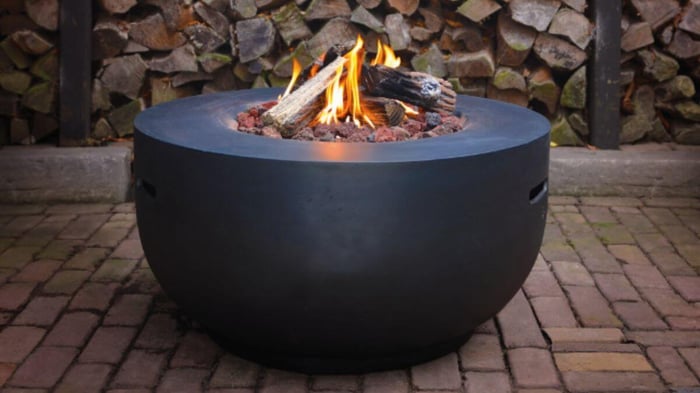
Wood vs. Gas Fire Pits: Pros, Cons, and Best Uses
Fire pits have become a staple in outdoor living spaces, offering warmth, ambiance, and a natural gathering point for friends and family. With so many styles and fuel types available today, one of the most important decisions homeowners face is whether to choose a wood-burning or gas fire pit. Both options offer their own advantages, and understanding the differences can help you select the best fit for your outdoor environment and lifestyle.
The Appeal of Wood-Burning Fire Pits
Wood fire pits are often chosen for their traditional charm. The crackling sound, natural flame movement, and aroma of burning wood all contribute to an authentic fireside experience. These features make wood-burning fire pits popular for homeowners who enjoy a rustic feel or want to recreate the atmosphere of a classic campfire in their own backyard.
Pros of Wood Fire Pits
- Natural ambiance: Wood fires offer a sensory experience unmatched by other fuel types.
- High heat output: They produce strong, radiant heat, ideal for chilly evenings.
- Fuel accessibility: Firewood is widely available and often inexpensive.
- Flexible placement: Wood-burning fire pits don’t require a gas line.
Cons of Wood Fire Pits
- More maintenance: Ash cleanup and wood storage can require extra effort.
- Smoke: While part of the charm for some, smoke can bother guests or drift toward homes.
- Lighting difficulty: Wood fires can take time and technique to ignite.
- Local regulations: Some areas restrict or prohibit wood burning during certain seasons.
The Advantages of Gas Fire Pits
Gas fire pits—whether fueled by natural gas or propane—have become increasingly popular thanks to their convenience and ease of use. With the simple flip of a switch or turn of a knob, homeowners can enjoy immediate flames without dealing with smoke or cleanup.
Pros of Gas Fire Pits
- Instant ignition: No need for fire starters or wood stacking; flames appear instantly.
- Low maintenance: No ash or debris to clean up after each use.
- Consistent flame: Gas provides a steady, controllable burn.
- Smoke-free: Ideal for guests sensitive to smoke or for urban settings.
Cons of Gas Fire Pits
- Installation requirements: Natural gas fire pits require professional installation and a gas line.
- Higher initial cost: Gas units often cost more upfront than wood-burning models.
- Lower heat output: While still warm and inviting, gas fire pits typically generate less heat than wood.
- Limited placement flexibility: Location is determined by gas access if hard-plumbed.
Choosing the Best Fire Pit for Your Space
Best Uses for Wood Fire Pits
Wood-burning fire pits work well in large outdoor areas where ventilation is not an issue. They’re great for creating a campfire atmosphere—perfect for roasting marshmallows, gathering around with blankets, and enjoying a natural flame. Homeowners who appreciate outdoor traditions and hands-on fire building often prefer this option.
Best Uses for Gas Fire Pits
Gas fire pits excel in more structured outdoor living spaces, such as patios, decks, or year-round entertainment areas. Their convenience makes them ideal for homeowners who want to enjoy a fire at a moment’s notice without the steps involved in preparing and managing a wood-burning fire. Gas fire pits also pair well with modern patio designs and seating areas where clean aesthetics are important.
Final Thoughts
Both wood and gas fire pits offer unique benefits, and the right choice comes down to your lifestyle, space, and preferences. Whether you’re drawn to the rustic warmth of a wood fire or the convenience of a gas setup, fire pits remain a timeless feature that enhances outdoor living and brings people together. Understanding the pros, cons, and best uses of each option ensures that your choice will support the experience you want to create in your backyard.