
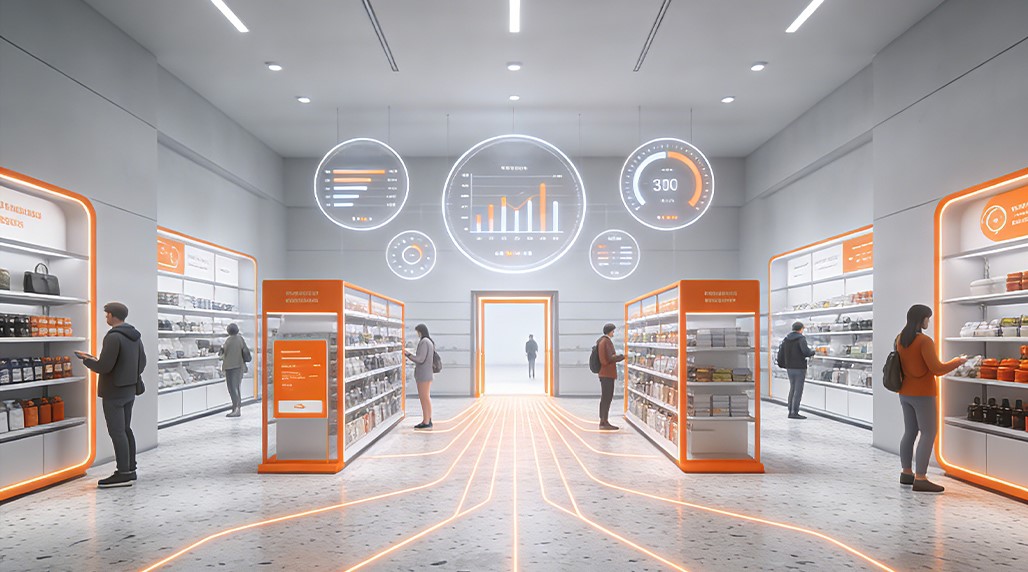
In today’s competitive commercial environment, raw visitor counts are not enough. Foot traffic analytics provide insights that can directly influence operational, marketing, and strategic decisions. Understanding not just how many visitors enter a space, but how they behave, when they arrive, and where they spend time, can unlock measurable business impact.
This article examines how businesses are leveraging footfall data and people counting insights to transform data into actionable decisions, supported by real-world observations.
Case Study 1: Retail Store Revenue Optimization
A mid-sized retail chain noticed steady visitor numbers but stagnant sales. Management wondered whether high traffic was translating into meaningful engagement.
Observations
Analysis of in-store traffic revealed that visitors tended to browse during peak hours but rarely made purchases. The most profitable time periods were actually off-peak.
Actions Taken
- Adjusted staffing schedules to align with high-intent periods
- Optimized product placement based on visitor dwell areas
- Tailored promotional timing to match visitor behavior
Outcome
Revenue per visitor improved by a noticeable margin, and labor costs were optimized without increasing staff numbers.
Case Study 2: Mall Tenant Performance
A shopping mall management team wanted to understand why some tenants underperformed despite high overall footfall.
Observations
Using visitor behavior analysis, they discovered traffic flow favored certain corridors while other zones remained underutilized. Some tenants in high-traffic areas had low engagement due to poor layout or signage.
Actions Taken
- Reallocated high-margin tenants to more strategic zones
- Redesigned visitor pathways to balance foot traffic
- Monitored customer flow analysis to guide future tenant placement
Outcome
Tenant satisfaction increased, and overall conversion rates improved. Decisions about leasing and layout were now informed by data rather than intuition.
Leveraging Marketing Insights
Marketing teams often invest in campaigns without knowing the direct impact on store visits.
Observations
By comparing foot traffic analytics before, during, and after campaigns, management could see which initiatives actually drove meaningful visits.
Actions Taken
- Focused budgets on campaigns that increased high-quality traffic
- Adjusted marketing strategies based on visitor engagement patterns
Outcome
Marketing ROI improved, and campaigns became more targeted and efficient.
From Data to Decision-Making
Across all cases, the common theme is that data alone is not enough. Managers must interpret insights from footfall data, people counting, and occupancy metrics to inform decisions. The shift from assumption-based to evidence-based decisions has led to:
- Better allocation of staff and resources
- Improved visitor experience and engagement
- Increased operational efficiency and profitability
By embedding data analysis into regular decision-making processes, organizations gain confidence and reduce risk in strategic changes.
Final Thoughts
Foot traffic analytics is a catalyst for smarter business decisions. Companies that understand visitor behavior and integrate insights into operations and marketing can unlock measurable gains. Turning data into action is not just about counting visitors—it’s about understanding patterns, behaviors, and outcomes to drive real business impact.