

Enterprises today generate and exchange more data than ever before. From high-resolution media files and engineering blueprints to massive datasets and financial reports, file transfer has become a mission-critical operation. As businesses scale across regions and remote teams, the debate between EFSS and traditional file transfer methods becomes increasingly relevant. Leaders must evaluate not only speed, but also security, compliance, scalability, and user experience.
What Is Traditional File Transfer?
Traditional file transfer refers to legacy methods such as FTP servers, email attachments, physical storage devices, and on-premises file shares. These systems were designed in an era when data volumes were smaller and security regulations were less complex. FTP and similar protocols typically rely on centralized servers, fixed bandwidth limitations, and manual user management. While these tools still function for basic transfers, they often lack the flexibility and intelligent optimization required by modern enterprises.
Limitations of Legacy Systems in High-Volume Environments
As organizations grow, traditional file transfer systems begin to show strain. Large files can take hours or even days to transmit, especially across international networks. Email servers restrict attachment sizes, while FTP connections can fail due to unstable networks. Additionally, traditional systems often require heavy IT oversight for permissions, server maintenance, and troubleshooting. This creates operational bottlenecks that slow down productivity and increase administrative overhead.
What Is EFSS and Why It Matters
Enterprise File Sync and Share (EFSS) platforms are designed to address the evolving demands of modern businesses. Unlike traditional file transfer tools, EFSS integrates synchronization, secure sharing, collaboration, and cloud scalability into a unified ecosystem. It allows users to access files from multiple devices, collaborate in real-time, and maintain version control automatically. For enterprises handling massive data flows, EFSS provides a more agile and future-ready framework.
Security Comparison: Control vs Vulnerability
Security is often the deciding factor in file transfer decisions. Traditional FTP systems may rely on outdated encryption standards or unsecured configurations if not properly maintained. They can expose enterprises to risks such as data interception or unauthorized access. EFSS platforms, on the other hand, typically include end-to-end encryption, granular access control, audit trails, and multi-factor authentication. This structured approach strengthens data governance and ensures compliance with international security standards.
Performance and Speed in Large File Transfers
When dealing with terabytes of data, speed is not just convenient—it is essential. Traditional protocols are often limited by TCP inefficiencies and bandwidth constraints. They struggle in high-latency environments and across geographically distributed teams. Modern EFSS systems, especially when combined with an Enterprise large file transfer solution, use advanced acceleration technologies to maximize available bandwidth and reduce packet loss. This ensures consistent and reliable transfer speeds even over long distances.
Scalability for Growing Enterprises
Business expansion demands scalable infrastructure. Traditional file transfer setups require hardware upgrades, server reconfiguration, and additional IT staffing as demand increases. This makes scaling both expensive and time-consuming. EFSS platforms are typically cloud-based or hybrid, allowing enterprises to scale storage and transfer capacity dynamically. The ability to adapt quickly to workload changes is critical for industries such as media production, manufacturing, and global research organizations.
Compliance and Regulatory Considerations
Enterprises operating in regulated sectors must comply with strict data protection laws. Traditional file transfer systems may lack built-in compliance features, requiring additional tools and manual documentation processes. EFSS solutions often include automated logging, user activity tracking, and policy enforcement capabilities. These features simplify audits and reduce compliance risk. Having structured visibility into who accessed what file and when is invaluable for enterprise governance.
User Experience and Collaboration Efficiency
One of the major shifts from traditional file transfer to EFSS is the focus on user experience. FTP clients and manual uploads can be technical and cumbersome for non-IT staff. In contrast, EFSS platforms offer intuitive interfaces, drag-and-drop functionality, automatic syncing, and collaborative workspaces. Employees can share secure links, set expiration dates, and control permissions without relying on IT support. This autonomy improves efficiency across departments.
Cost Implications Over Time
At first glance, traditional file transfer systems may appear more cost-effective because they use existing infrastructure. However, hidden costs accumulate through maintenance, downtime, security incidents, and manual administration. EFSS platforms often operate on subscription models that bundle infrastructure, security, and performance optimization into one predictable expense. Over time, this can lower total cost of ownership while increasing operational reliability.
Remote Work and Global Collaboration Demands
The rise of hybrid and remote work environments has intensified the need for seamless file sharing. Traditional on-premises systems can create access barriers for remote teams and international offices. EFSS platforms enable secure file access from anywhere with internet connectivity, supporting distributed teams without sacrificing control. For enterprises with global operations, this accessibility ensures smoother collaboration and faster decision-making.
Reliability and Business Continuity
Downtime in file transfer systems can disrupt entire workflows. Traditional setups often rely on single servers, making them vulnerable to outages. EFSS solutions frequently leverage distributed cloud infrastructure, reducing the risk of single points of failure. Many platforms also include automatic backup and disaster recovery capabilities. This resilience ensures business continuity even during unexpected disruptions.
Integration with Enterprise Ecosystems
Modern enterprises rely on integrated technology stacks. Traditional file transfer systems typically operate in isolation, requiring manual integration with other tools. EFSS platforms often integrate seamlessly with productivity suites, project management tools, and enterprise resource planning systems. This interconnected ecosystem streamlines workflows and reduces duplication of effort across departments.
The Role of Raysync in High-Speed Enterprise Transfers
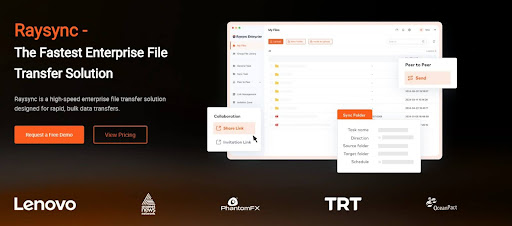
When discussing advanced enterprise file transfer capabilities, it is important to consider specialized solutions like Raysync. Raysync focuses on ultra-fast, secure data transfer technologies optimized for large-scale enterprise needs. By leveraging proprietary acceleration protocols, Raysync enhances performance beyond traditional TCP limitations. For organizations seeking both efficiency and security, combining EFSS functionality with high-speed transfer technology creates a powerful operational advantage.
Comparing Deployment Models: On-Premises vs Cloud
Traditional file transfer systems are typically on-premises, requiring physical servers and dedicated maintenance. EFSS solutions offer flexible deployment models, including cloud-based, hybrid, and private cloud options. Enterprises can choose the architecture that aligns with their compliance requirements and performance goals. This flexibility allows businesses to modernize gradually without completely abandoning existing infrastructure.
Data Governance and Visibility
Enterprise leaders need real-time visibility into data movement. Traditional systems often provide limited analytics and reporting features. EFSS platforms deliver dashboards, transfer metrics, and user activity reports that offer actionable insights. These analytics empower IT teams to optimize bandwidth usage, identify potential security threats, and ensure policy compliance across the organization.
Risk Management and Incident Prevention
Data breaches and transfer failures can cause financial and reputational damage. Traditional file transfer tools require manual oversight to detect anomalies. EFSS platforms integrate automated monitoring and alert systems, helping organizations detect suspicious behavior early. This proactive approach reduces the likelihood of major incidents and supports a more secure digital environment.
Choosing the Right Solution for Your Enterprise
Selecting between traditional file transfer and EFSS depends on business scale, regulatory requirements, and collaboration needs. Small organizations with limited data flows may still operate efficiently with basic systems. However, enterprises handling massive datasets and global workflows benefit significantly from adopting EFSS combined with an Enterprise large file transfer solution. The key is aligning technology with long-term strategic growth.
Future Trends in Enterprise File Transfer
As data volumes continue to expand, the gap between legacy systems and modern EFSS platforms will widen. Emerging technologies such as AI-driven optimization, predictive bandwidth allocation, and zero-trust security frameworks will further enhance enterprise file transfer ecosystems. Organizations that invest early in scalable, secure systems will gain a competitive edge in operational efficiency and customer trust.
Final Thoughts: Building a Future-Ready File Transfer Strategy
The comparison between EFSS and traditional file transfer is not merely technical—it is strategic. Enterprises must evaluate performance, security, scalability, and user experience to remain competitive in a data-driven world. While traditional systems laid the foundation for digital communication, they often lack the agility required today. EFSS platforms, especially when enhanced by high-performance solutions like Raysync, provide the speed, control, and resilience modern enterprises demand. By adopting a forward-thinking approach to file transfer infrastructure, businesses can ensure secure collaboration, regulatory compliance, and sustainable growth for years to come.