Windows play a critical role in maintaining a comfortable, energy-efficient, and aesthetically appealing home. Beyond providing natural light and ventilation, windows are a key factor in regulating indoor temperatures, reducing noise, and lowering energy costs. For homeowners looking to improve efficiency and long-term value, selecting energy-efficient windows is one of the most impactful upgrades that can be made. Understanding the materials, glass options, and performance benefits is essential to making a choice that balances comfort, durability, and style.
Energy-efficient windows are designed to reduce heat transfer between indoor and outdoor environments. This not only contributes to a more stable indoor temperature but also lowers the strain on heating and cooling systems. Homes equipped with high-performance windows benefit from enhanced comfort and can experience measurable energy savings over time.
Understanding Energy Efficiency in Windows
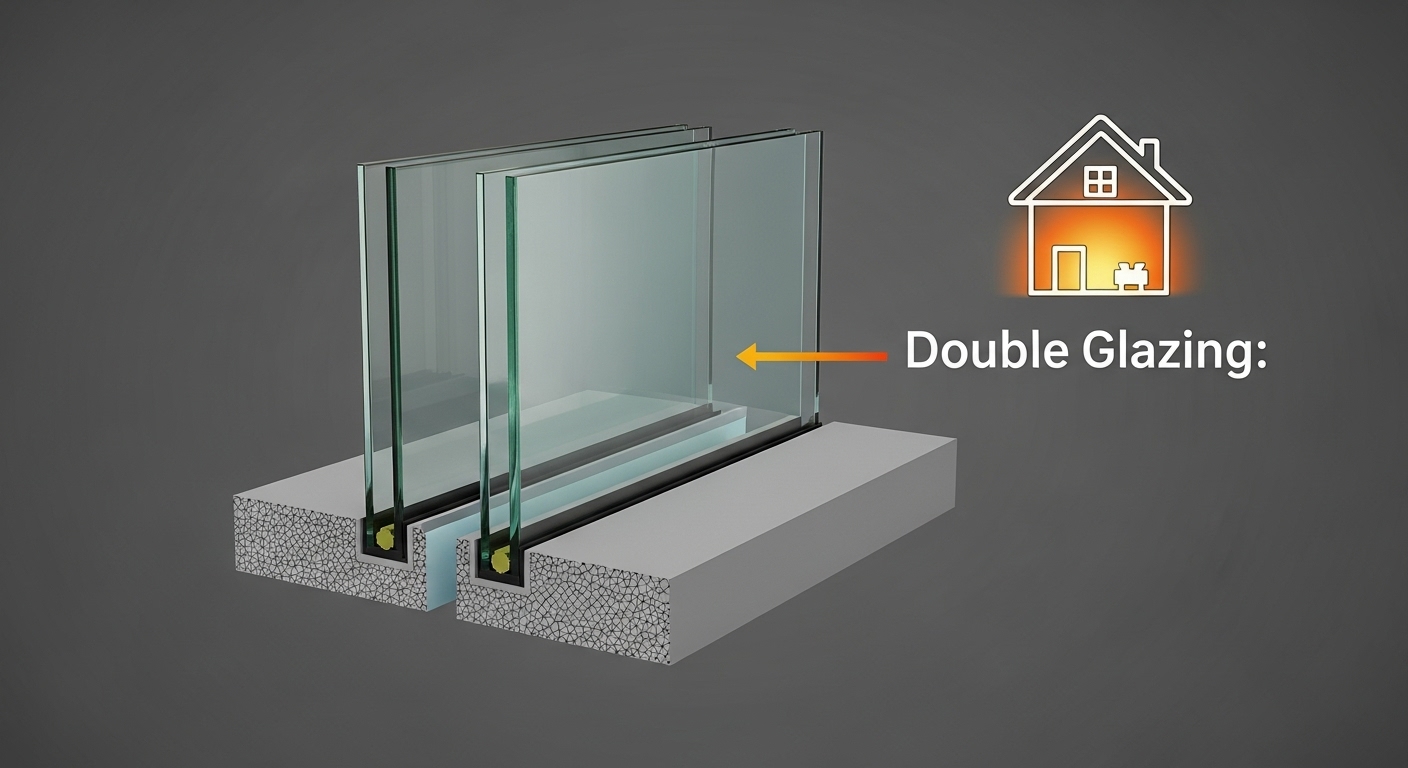
Energy-efficient windows typically feature multiple layers of glass with insulating gases and advanced coatings that reduce heat transfer. Double-pane and triple-pane designs are common, providing a sealed airspace that improves thermal insulation. Low-emissivity (Low-E) coatings on the glass reflect heat back into the home during winter while deflecting solar heat during summer. These features collectively improve comfort and reduce reliance on HVAC systems.
The energy performance of a window is often measured by two key ratings: the U-factor and the Solar Heat Gain Coefficient (SHGC). The U-factor indicates how well a window resists heat transfer, with lower values representing better insulation. The SHGC measures how much solar heat enters through the window, with lower values helping to keep interiors cooler in hot climates. Understanding these metrics enables homeowners to select windows tailored to their regional climate and energy efficiency goals.
Choosing the Right Frame Material
The frame material of a window is equally important to overall performance and durability. Vinyl frames are widely used for energy-efficient windows due to their excellent insulation properties, low maintenance requirements, and resistance to moisture and temperature fluctuations. Wood frames offer natural beauty and insulating power but require periodic maintenance to prevent warping or decay. Fiberglass frames combine strength with thermal stability, resisting expansion and contraction while providing long-term durability. Aluminum frames, while strong and modern-looking, require thermal breaks to maintain energy efficiency and minimize heat transfer.
Selecting the appropriate frame material ensures that the insulating benefits of energy-efficient glass are fully realized and sustained over time. Homeowners should consider durability, maintenance requirements, and aesthetics when making their choice to ensure the window system aligns with the home’s design and functional needs.
Glass Options for Optimal Performance
Glass selection is critical to the effectiveness of energy-efficient windows. Double-pane glass is the most common choice, providing a balance of insulation, durability, and cost-effectiveness. Triple-pane glass offers additional thermal protection, which can be particularly beneficial in regions with extreme temperatures.
Gas fills such as argon or krypton between the glass layers enhance insulation by reducing heat transfer. Low-E coatings reflect heat back into the home while allowing natural light to enter, maintaining a bright and welcoming interior without sacrificing efficiency. Homeowners can also consider tempered or laminated glass for increased safety and durability, particularly for ground-level windows or large glass panels.
Properly combining these glass features ensures that windows perform optimally, maintaining indoor comfort, minimizing energy waste, and contributing to long-term savings.
The Importance of Professional Installation
Even the highest-quality energy-efficient window cannot perform correctly without proper installation. Accurate measurements, precise alignment, and secure sealing are essential to prevent drafts, water intrusion, and reduced thermal performance. Improper installation can negate the energy-saving benefits of modern windows, resulting in discomfort and higher utility bills.
Professional installation ensures that windows fit correctly within the opening, operate smoothly, and maintain their designed insulating properties. Experienced installers handle adjustments, apply effective weatherproofing, and address structural considerations, helping to preserve the functionality and longevity of the window system. Homeowners can also gain guidance from reputable local providers, such as Zen Windows Boston, to ensure a reliable and effective installation process.
Maintenance for Long-Term Efficiency
Energy-efficient windows require routine maintenance to retain performance. Regular cleaning of glass surfaces ensures clarity and maximizes natural light. Inspecting and maintaining seals, weatherstripping, and hardware prevents drafts and moisture intrusion, keeping the insulation intact. Lubricating moving parts supports smooth operation and reduces wear over time.
Periodic professional inspections can also identify minor issues before they become major problems. By combining proper installation with consistent upkeep, homeowners can maximize the lifespan, comfort, and energy efficiency of their window investment.
Benefits Beyond Energy Savings
In addition to reducing utility costs, energy-efficient windows provide numerous additional benefits. Improved indoor comfort, quieter interiors, and enhanced aesthetics are some of the immediate advantages. Large, well-insulated windows can create a brighter, more inviting living space while also protecting furniture and flooring from UV damage.
Energy-efficient windows also contribute to long-term home value. Buyers increasingly prioritize features that improve comfort, energy performance, and durability, making energy-efficient upgrades a smart investment for homeowners seeking both lifestyle and financial benefits.
Conclusion
Choosing energy-efficient windows is a decision that combines functionality, style, and long-term value. By understanding materials, glass options, and performance features, homeowners can select windows that enhance comfort, improve energy efficiency, and contribute to a sustainable living environment. Proper professional installation and ongoing maintenance are critical to ensuring that windows perform as intended, offering years of comfort and savings.
Partnering with trusted local resources such as Zen Windows Boston provides homeowners with guidance and expertise, supporting informed decisions and reliable results. Energy-efficient windows are more than an upgrade—they are a long-term investment in comfort, sustainability, and home performance.