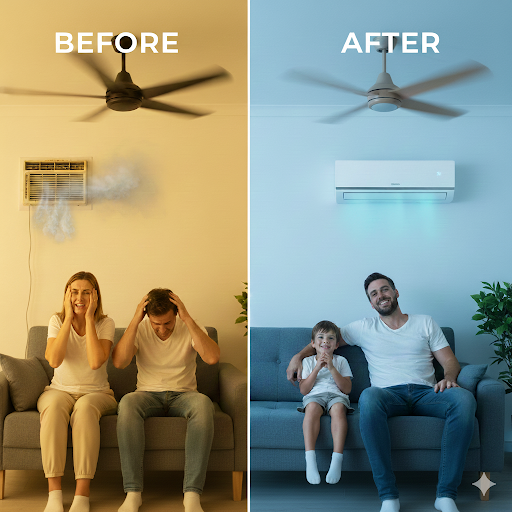
When a heatwave hits Victoria, most people switch on their air conditioners and hope for quick relief. But if your unit is old or poorly maintained, you may notice something else happening: higher energy bills, weaker cooling, and a system that seems to run nonstop. Many households don’t realise that older air conditioners work much harder during extreme heat, which translates directly into higher costs.
This is exactly why programs like the air conditioner rebate Victoria are so valuable. They make it easier to replace older, inefficient units with modern, efficient cooling systems that can handle the heat without draining your wallet.
In this guide, we’ll break down why old air conditioners struggle so much during heatwaves, how that affects your energy bills, and how rebates make upgrading far more affordable.
Why old air conditioners struggle during heatwaves
Air conditioners are designed to remove heat from inside your home and push it outside. The hotter the weather, the harder the system has to work. Old units have a few challenges that become obvious during extreme heat.
Reduced cooling efficiency
As air conditioners age, parts wear out, refrigerant levels drop, and the system becomes less efficient. In normal weather, you may not notice the decline. But during a heatwave, the unit needs to reach and maintain a much lower temperature than the outside air. That gap becomes too big for old units to manage.
Older technology consumes more power
Air conditioners that are 10–15 years old typically use outdated technology. They may have:
- No inverter system
- Low energy star ratings
- Weak airflow
- Higher refrigerant pressure requirements
Heatwaves expose those weaknesses. The unit runs longer and draws more electricity to keep up, which shows up directly on your bill.
Components wear out faster in extreme heat
Heatwaves increase the stress on key components like the compressor and fan motor. If these parts are already ageing, the extra load pushes them harder than they can handle. This can lead to unpredictable cooling, burnt-out parts, and sometimes total system failure.
Old units take longer to cool the room
If your AC struggles to cool a space even after running for 30–40 minutes, that’s a sign of inefficiency. During heatwaves, this gets worse because the starting point (your indoor temperature) is already higher than usual.
Higher energy bills during heatwaves: what’s actually happening?
If your energy bill jumps during summer, especially in weeks with extreme heat, your old AC may be the main reason. Here are the most common causes.
- Longer running cycles: Old air conditioners often need to run continuously to maintain a comfortable temperature. This means no rest cycles, no pauses, and non-stop electricity consumption.
- Lower airflow: Dust buildup, old motors, and blocked filters weaken airflow. When airflow drops, the system works harder to push cool air across the room. Poor airflow = longer running time = higher bills.
- Worn-out thermostats: Older thermostats can misread the room’s temperature. They may keep the AC running even when the room is cool enough, simply because the sensor is inaccurate.
- Refrigerant leaks: Units with low refrigerant levels require more energy to create the same cooling effect. In intense heat, this becomes even more noticeable.
- Poor insulation in older homes: Many older Victorian homes lose cool air quickly. When your home heats up fast, your old AC tries to compensate by running harder, forcing your energy usage to spike.
Signs your old air conditioner is costing you more
You may not notice these signs in mild weather, but they become very clear during a heatwave.
- The AC takes too long to cool the room
- You keep lowering the temperature to feel cool
- The unit is noisy or rattling
- Your power bill spikes every summer
- Airflow feels weak
- The outdoor unit feels extremely hot
- The system switches on and off too often
- You’ve needed multiple repairs
If any of these sound familiar, upgrading could save you hundreds of dollars each year.
Why modern split systems perform better in heatwaves
Today’s energy-efficient split systems are designed to handle extreme temperatures with far less energy. This is why many rebates focus on helping people install new split-system units.
Key advantages of modern systems:
- Inverter technology adjusts power use based on actual cooling needs
- Higher star ratings reduce energy consumption
- Faster cooling with improved airflow
- Better thermostats and temperature sensors
- Lower running noise
- Improved refrigerant efficiency
- Smart features like timers and energy tracking
These improvements mean your unit doesn’t have to overwork during heatwaves, which keeps your bills stable even in the hottest months.
How rebates help you upgrade before costs get out of control
Programs that include split system rebates were created to help households replace old, inefficient systems with newer ones that use less energy. Many people delay replacing their AC because they expect high upfront costs, but rebates help bridge that gap.
Here’s how rebates help:
- Lower upfront installation costs: The rebate reduces the price of buying and installing a new, energy-efficient split system.
- Reduced running costs: A modern unit can cut cooling-related energy use by 30% to 60%, depending on your current AC’s age.
3. Fewer repairs: Once an AC is older than ten years, repairs become more frequent and more expensive. Upgrading eliminates that cycle.
4. Immediate comfort during heatwaves: New split systems cool faster and more evenly, giving you relief exactly when you need it.
5. Helps avoid emergency replacements: Many people wait until their AC dies, which usually happens during a heatwave. Rebates help you upgrade before the unit fails.
6. Better performance for years: Modern units last longer, need less maintenance, and handle extreme temperatures much better.
When is the best time to apply for rebates?
The best time is before peak summer or right after the first heatwave, when you can clearly see how well or poorly your current system performs. However, the rebate can be applied for anytime you decide to upgrade.
Heatwaves create the most stress on old units, so those moments help you decide whether it’s worth continuing to repair or finally upgrading.
What to consider when upgrading your AC through rebates
If you’re thinking about using the air conditioner rebate Victoria or the split system rebate, here are the key things to consider.
- The size of your home: Choose a system that matches your room size. Oversized or undersized units reduce efficiency.
- Your insulation quality: Good insulation boosts the performance of your new AC.
- Your existing electrical setup: Modern units often require a dedicated circuit, which your installer will check during the assessment.
- Your budget after rebate: Even after rebates, you’ll want a model that fits your budget and offers the features you need.
Why upgrading now saves you money long-term
A newer, efficient unit isn’t just about staying cool; it’s about reducing total energy costs every year.
You save money through:
- Lower energy bills
- Fewer repairs
- Longer appliance lifespan
- More efficient performance during future heatwaves
- Avoiding emergency call-out fees for old unit breakdowns
Upgrading today means you protect yourself from rising energy prices and unexpected repair costs.
Final thoughts
Heatwaves test the strength of your cooling system, and old air conditioners usually lose the battle. They run longer, use more energy, and deliver less comfort. This combination leads to higher bills and more stress, especially during extreme weather.
Rebates that include split-system and air-conditioner rebates in Victoria make it easier to move away from outdated systems and invest in efficient, modern cooling. With the right upgrade, you get faster cooling, lower bills, and a home that stays comfortable during even the hottest days.